
Take A Piece of the Gallery Home









Frequently Asked Questions
-
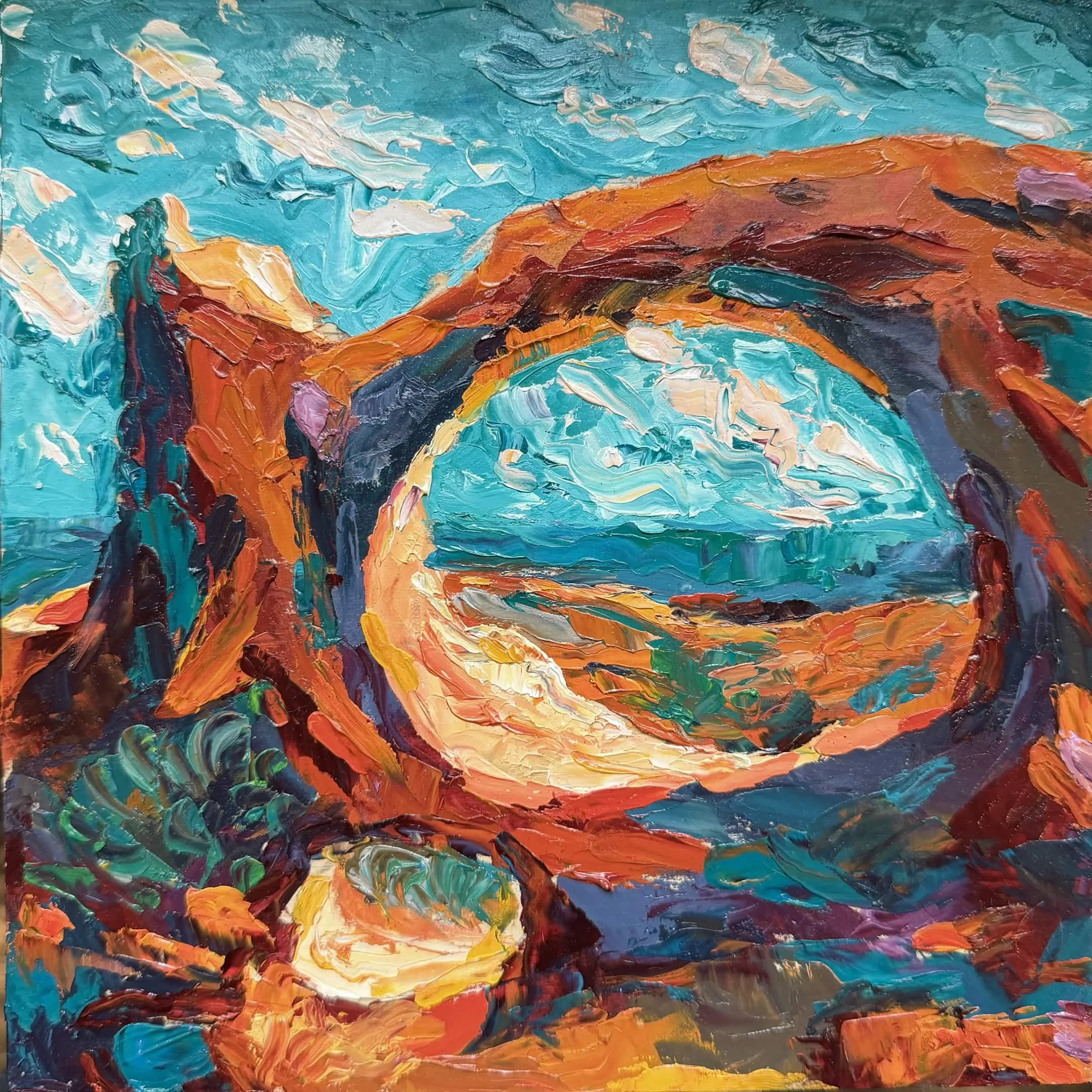
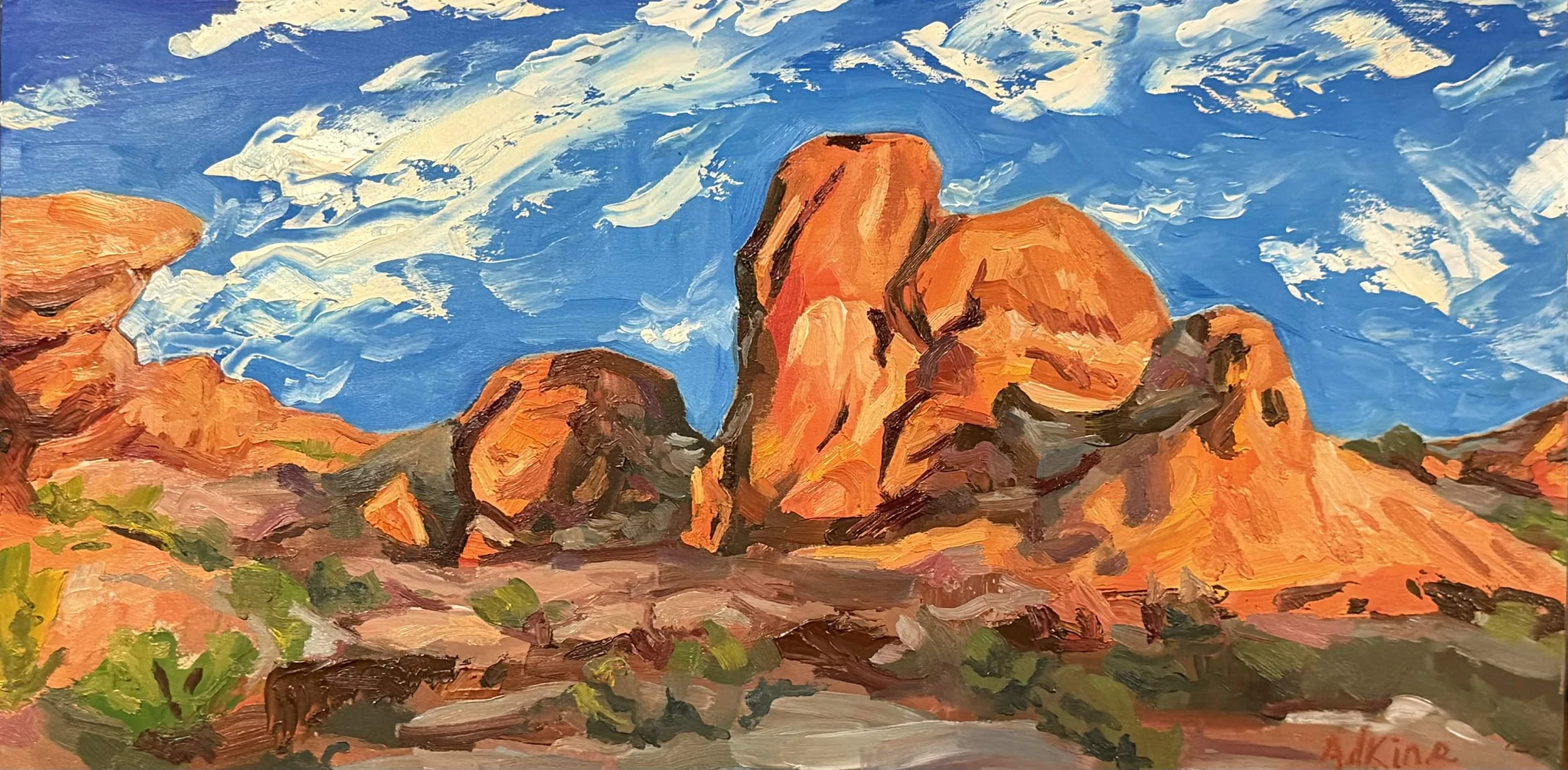
I use a fixed system based on the area covered. Calculating by area means I don’t get punished for working at any speed and it is easily standardizable. As I appreciate when other artists do the same, I like to be transparent with pricing. The formula I use is the Area (Length x Width) multiplied by 2, and rounded up. Another way to say this is 2 dollars per square inch.
For example, a 6”x12” painting would be area (6×12=72) multiplied by 2 (72×2=144) and rounded up (144—>150).
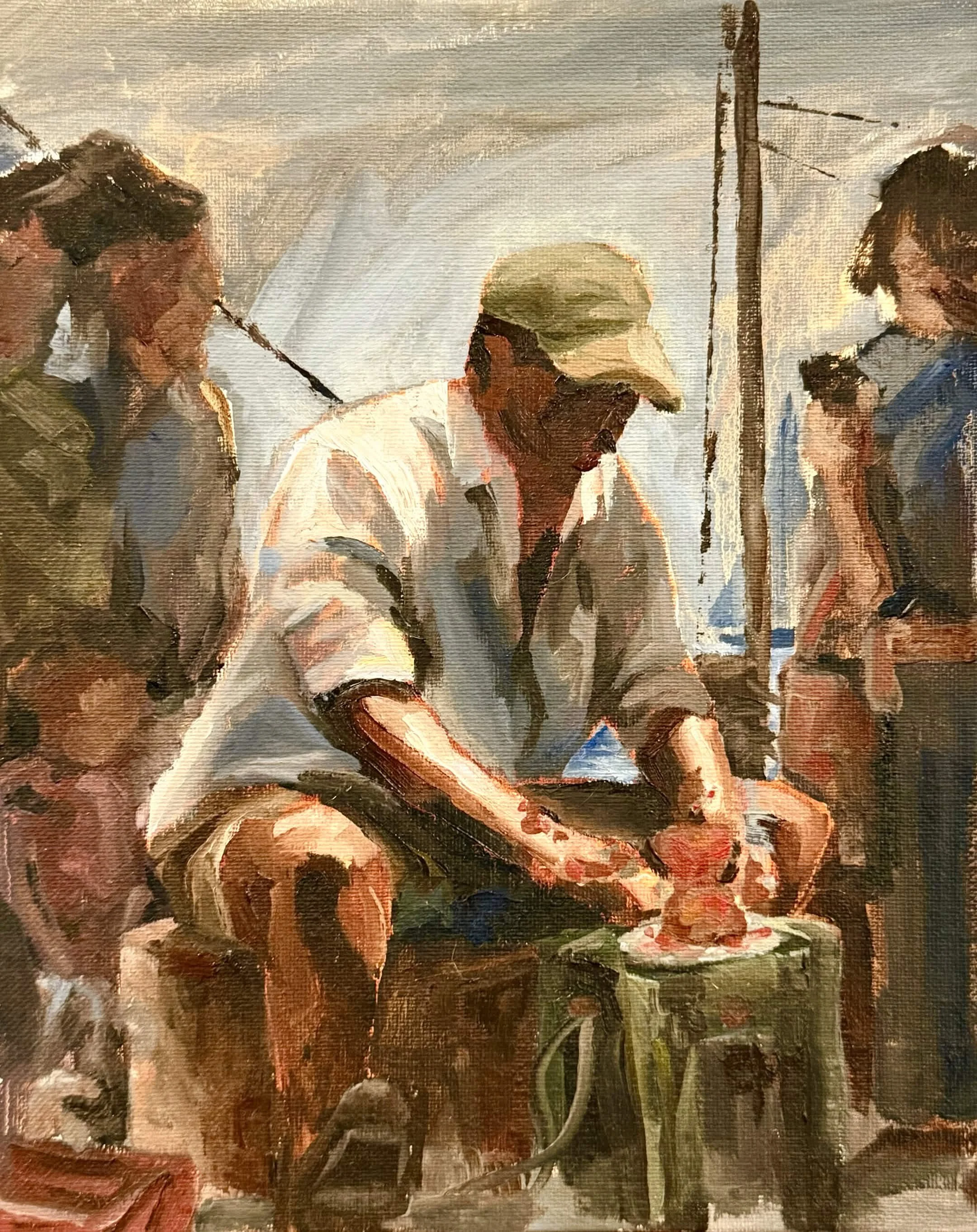
For other projects, such as university work or workshop pieces, I will determine pricing on a piece-to-piece basis. They will almost always be cheaper than an original, dedicated work. I determine their prices based on my personal quality perception of each project. -
Many of the materials are student grade. Things like paper and most canvasses are not the top tier in quality possible, but they can last if taken proper care of. As for the original and recent paintings, they are higher quality materials, using smooth, cradled wood or hand-built canvasses to ensure a long lifespan.
The paint I use is mostly Utrecht, which is professional-grade artist materials, with some Winton oil colors, which can be considered closer to student grade. No matter what materials, with proper care and preparation such as varnishing and framing, they can last a lifetime. -
To be completely honest, I don’t know yet fully. This is my first time setting up a shop and I’m still learning a lot, including how to handle shipping effectively.
For local buyers, I will offer delivery, pickup, or meetup to exchange artwork. As for shipping, I use UPS and will try to get the product on the road as soon as possible. -
For original artworks, I will wrap the piece in layers of foam or bubble wrap, with corner protectors to best keep the artwork safe. In addition, paper wrapping or packing peanuts should be included in the box. Past those wrapping steps, we are at the mercy of UPS.
For drawings or posters, I will roll the paper up and use a cardboard tube with plastic ends to transport. I will do my best to keep the drawings from being damaged, but they are more fragile by nature. -
As for original paintings on wood panels, a simple screw/nail can support a painting. This is very simple but not my recommendation. I would suggest getting a piece of hardware and screwing into the wood panel for a more secure hold. Short 1/4” screws in the back of the panel should not damage the wood. If hardware is unavaliable, a simple velcro command strip has worked wonders for me, they’re removable, easy, and strong.
For drawings, I would suggest getting them dry-mounted at a local frame shop for extra stability. Past that, a simple frame should work just fine as most drawings should be standard sizes.
For non-standard size work or other, custom framing is a great option. Custom framing is not cheap, but the quality of frame is usually significantly higher than pre-made frames. -
For the majority of prints, they are handled through a third party service called Printful, partnered with Squarespace. I have tested their print quality next to the best, and it’s quite close in quality for less than half the price. They print on-demand so we do not make any unwanted waste. I have not had much experience with this service before, so again, I am learning and appreciate all feedback if there’s any issues with print quality or similar.
Occasionally, I may have limited edition prints, which will be higher quality, but more expensive as it requires many more steps compared to Printful.